Diabetes Causes And Symptoms
Causes of Diabetes :-
There are two main types of diabetes: type 1 diabetes and type 2 diabetes.
Type 1 Diabetes :-
Type 1 diabetes is an autoimmune disease that occurs when the body's immune system attacks and destroys the insulin-producing cells in the pancreas. Insulin is a hormone that regulates blood sugar levels in the body. People with type 1 diabetes require insulin injections or an insulin pump to manage their blood sugar levels.
Type 2 Diabetes :-
Type 2 diabetes, on the other hand, is a metabolic disorder that occurs when the body becomes resistant to insulin or doesn't produce enough insulin to meet its needs. Risk factors for developing type 2 diabetes include obesity, a sedentary lifestyle, high blood pressure, and a family history of diabetes.
In addition to these two types of diabetes, there is also gestational diabetes, which occurs during pregnancy when the body becomes less sensitive to insulin. Gestational diabetes usually goes away after the baby is born, but women who develop gestational diabetes are at higher risk of developing type 2 diabetes later in life.
Symptoms of Diabetes :-
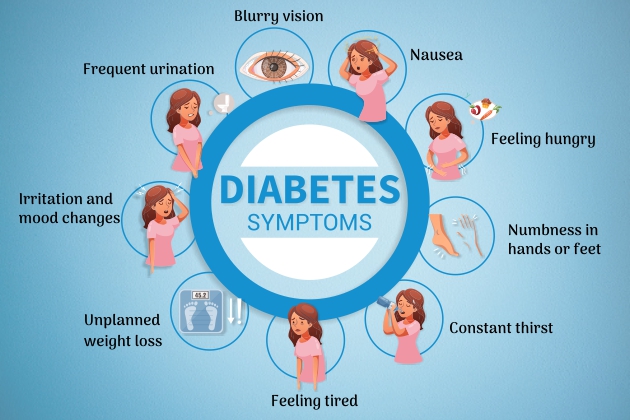
- Frequent urination: When blood sugar levels are high, the kidneys work harder to filter the excess sugar out of the blood, leading to more frequent urination.
- Increased thirst: As the body loses more fluid through urination, people with diabetes may experience increased thirst to compensate for the fluid loss.
- Hunger: Despite eating regularly, people with diabetes may feel hungry all the time because their body is unable to effectively use the glucose in the food they eat.
- Fatigue: When the body is unable to use glucose for energy, people with diabetes may feel tired and sluggish.
- Blurry vision: High blood sugar levels can cause fluid to be pulled from the tissues in the eyes. This can lead to blurry vision.
- Slow healing: People with diabetes may experience slow healing of wounds or infections because high blood sugar levels can impair the body's immune system.
Conclusion :-
Comments
Post a Comment