Diabetes Nutrition Tips
Diabetes is a chronic disease that affects millions of people worldwide. It is a condition in which the body is unable to produce or use insulin properly, resulting in high blood sugar levels. While there is no cure for diabetes, it can be managed effectively through medication, exercise, and a healthy diet.
Nutrition plays a crucial role in managing diabetes. A balanced diet that is low in sugar, fat, and calories can help control blood sugar levels and prevent complications associated with diabetes, such as heart disease, stroke, kidney disease, and blindness. Here are some nutrition tips for diabetes patients:

A balanced diet for diabetes patients should include a variety of foods from all the food groups, including fruits, vegetables, whole grains, lean protein, and low-fat dairy products. Eating a variety of foods helps ensure that you get all the nutrients your body needs to stay healthy.

2. Limit your Intake of Carbohydrates :
Carbohydrates are the main source of energy for the body, but they can also raise blood sugar levels. Diabetes patients should limit their intake of carbohydrates, especially those that are high in sugar and refined carbohydrates such as white bread, pasta, and rice.

3. Choose Foods with a Low Glycemic Index :
The glycemic index is a measure of how quickly a food raises blood sugar levels. Foods with a low glycemic index release sugar into the bloodstream slowly and are better for diabetes patients. Examples of foods with a low glycemic index include whole grains, vegetables, and fruits.

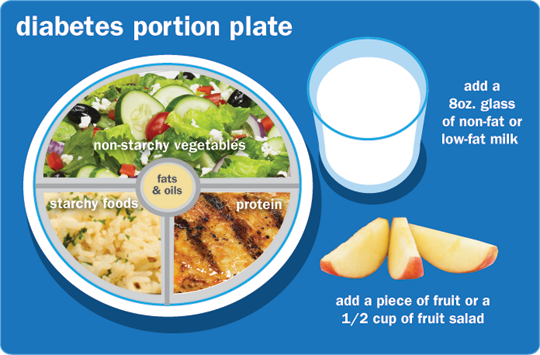
4. Monitor Your Portion Sizes :
Eating too much of any food, even healthy foods, can cause blood sugar levels to spike. Diabetes patients should monitor their portion sizes and aim to eat smaller, more frequent meals throughout the day.
5. Limit your Intake of Saturated
and Trans Fats :
Diabetes patients are at an increased risk of heart disease, so it is important to limit their intake of saturated and trans fats. Choose lean protein sources, such as chicken and fish, and use heart-healthy oils, such as olive oil, when cooking.

6. Drink Plenty of Water :
Drinking plenty of water can help prevent dehydration, which can be a problem for diabetes patients. Water is also a better choice than sugary drinks, such as soda and fruit juice, which can cause blood sugar levels to spike.
7. Avoid or Limit Alcohol :
Alcohol can cause blood sugar levels to spike or drop, depending on the amount consumed. Diabetes patients should avoid or limit their intake of alcohol and always drink it with food.

In conclusion, nutrition is an essential part of managing diabetes. A balanced diet that is low in sugar, fat, and calories, and high in whole grains, vegetables, and lean protein, can help control blood sugar levels and prevent complications associated with diabetes. Diabetes patients should also monitor their portion sizes, limit their intake of carbohydrates, saturated and trans fats, and drink plenty of water. With the right nutrition and lifestyle habits, diabetes can be managed effectively, allowing patients to live long and healthy lives.